
7-Ball 10-Ball Steel Roller
That's what we stock for this town first: 7-ball and 10-ball steel rollers, both open-bearing and sealed, plus the shorter stem lengths that fit tracks from that period.
Ontario, Mansfield
Ontario homes mostly went up around 1983, later than the rest of the Mansfield area - which means different roller hardware and different failure points. Here's what we see and fix.

Booking
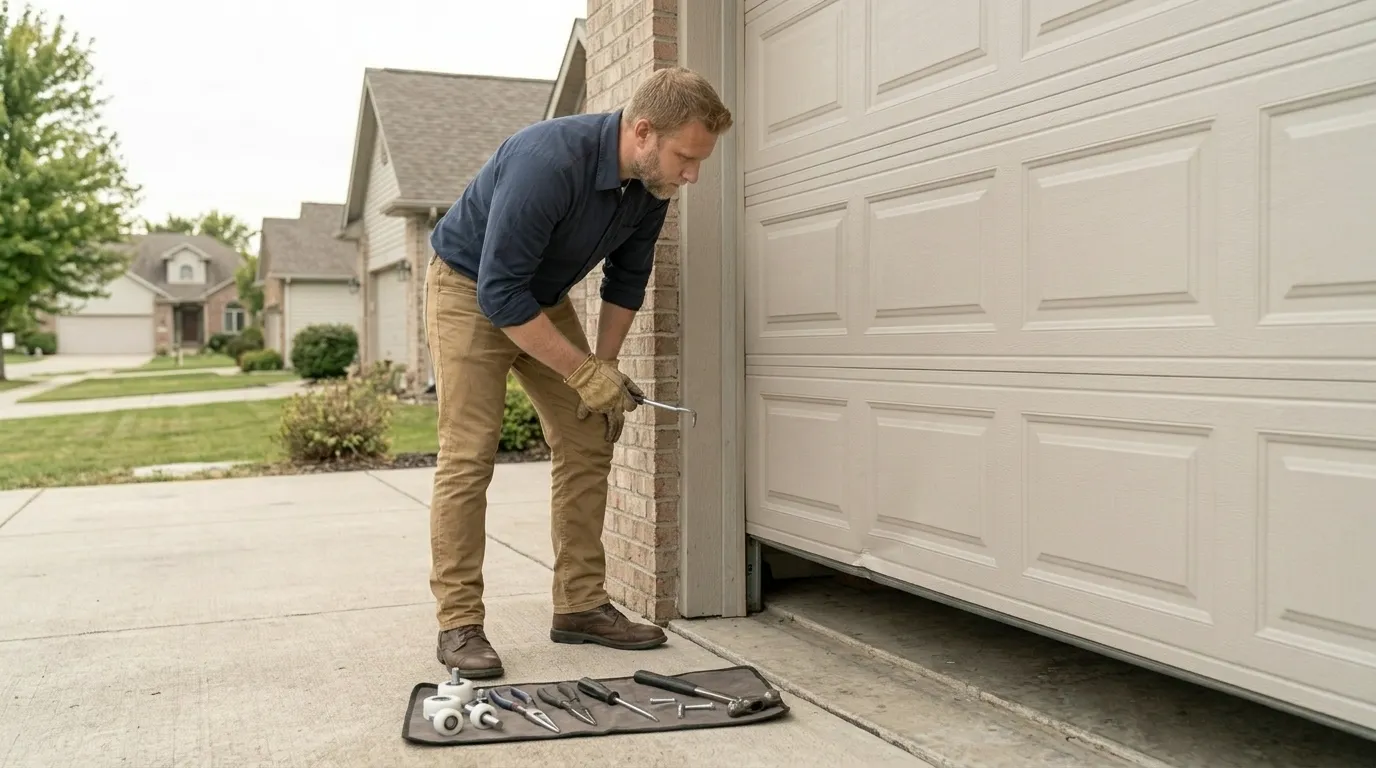
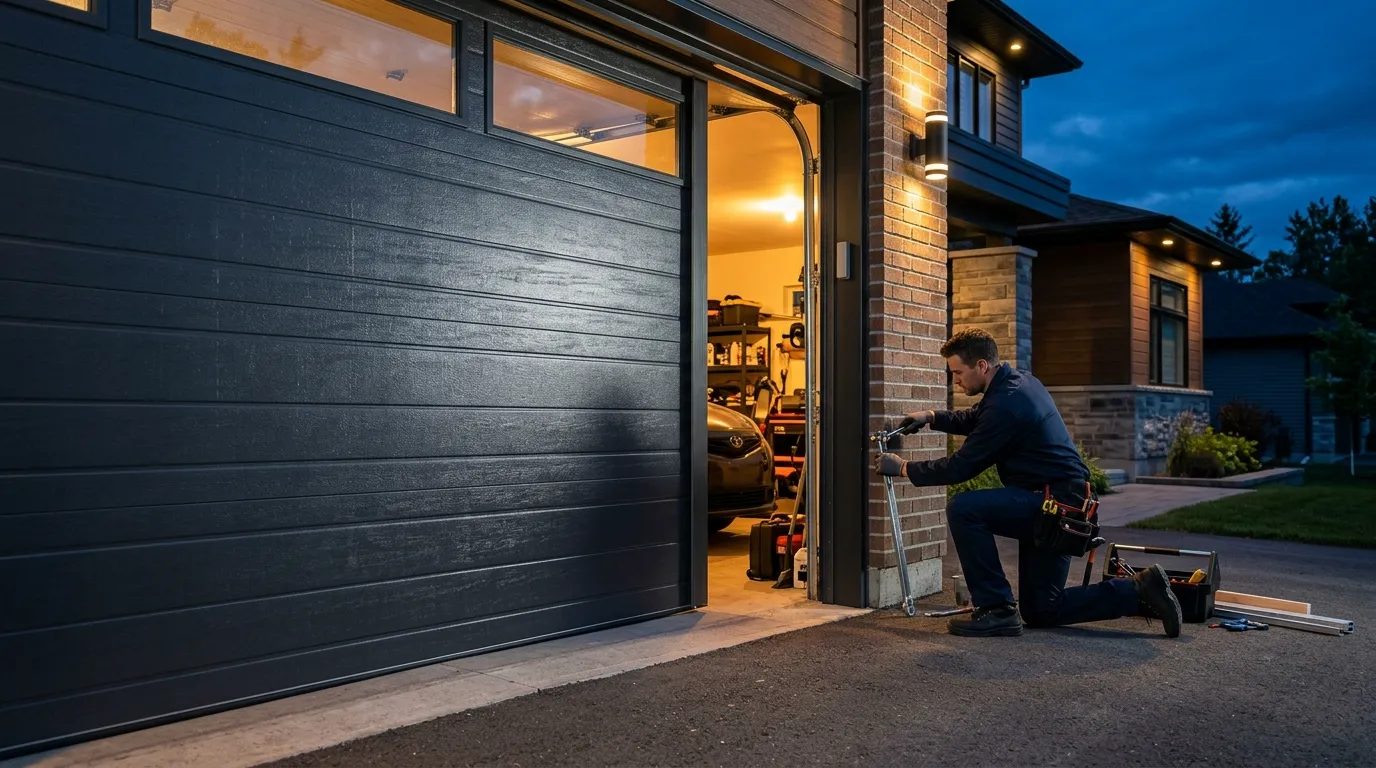
We run this job out of Mansfield, about 4 miles from Ontario, so there's no local branch to call - just a truck that comes to you. Because Ontario's houses are newer than a lot of what we cover elsewhere in the area, the rollers we pull here tend to be a different generation of hardware than what we see on the older side of the region. Tell us the door's rough age and whether it's sticking, grinding, or jumping track when you call, and we'll bring the right roller stock instead of guessing. We don't keep a local yard in Ontario itself - everything rides out with the tech, which is why knowing what we're walking into ahead of time saves a second trip.
On the truck
Houses in Ontario cluster around a 1983 build date, which puts most of the original garage door hardware square in the era of steel doors on steel rollers with stamped, not sealed, bearings.
That's what we stock for this town first: 7-ball and 10-ball steel rollers, both open-bearing and sealed, plus the shorter stem lengths that fit tracks from that period.
Nylon rollers are on the truck too, for owners who've already upgraded or want to move up when we're out there anyway. We're not carrying much for pre-1960 flat-track hardware here the way we do on older streets - Ontario's stock mostly skipped that generation.

Local causes
This area sits in a cold, severe climate band, and steel rollers don't handle repeated freeze-thaw cycling well - the grease in an open-bearing roller stiffens in the cold, the roller starts to bind in the track, and the flat spot that develops from a door sitting overnight in single-digit temps turns into a grinding sound within a season or two. Because Ontario's doors are a fairly uniform age, we see this show up on a lot of driveways around the same stretch of years - not because the door is old, but because it's from a batch of hardware that was never built to outlast forty winters of that kind of cold. Track alignment issues follow close behind, since a worn roller wanders in the channel before it fails outright.
Our process
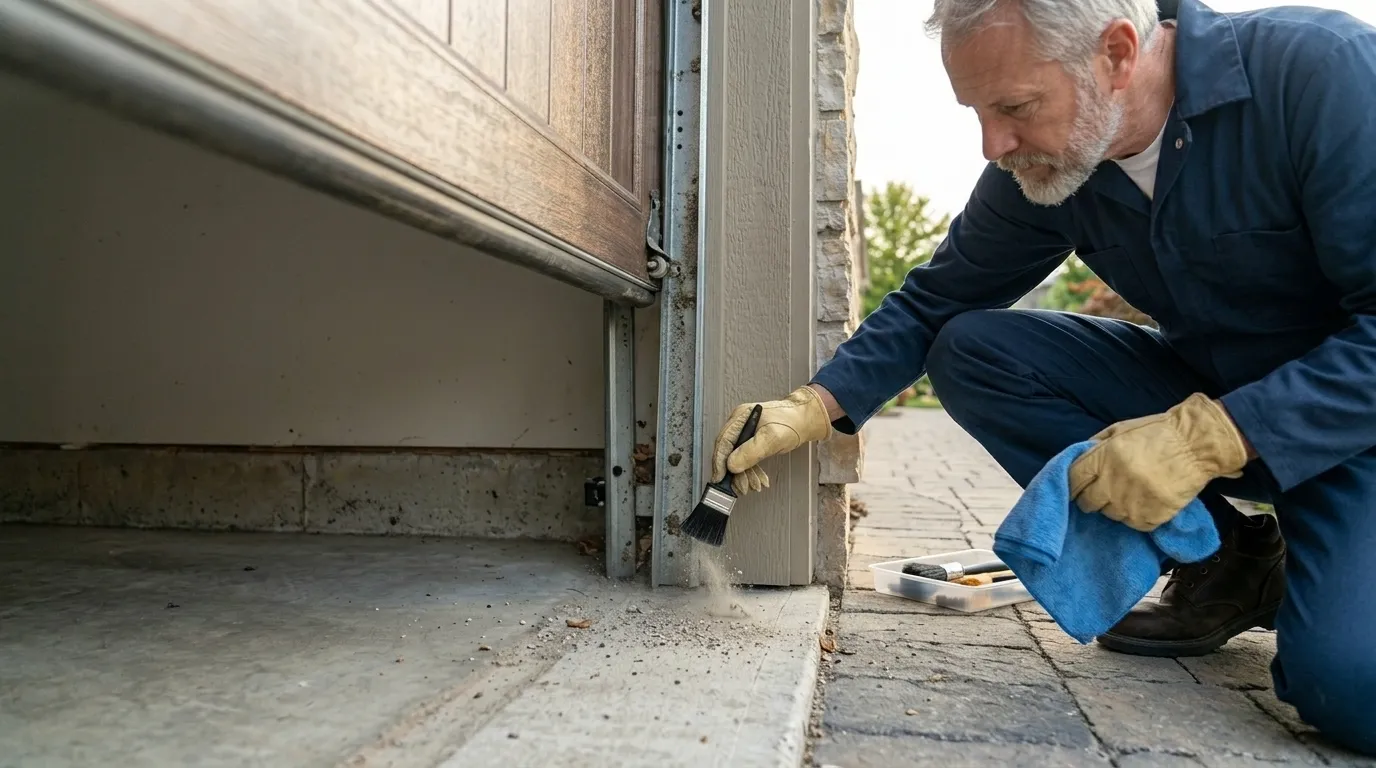
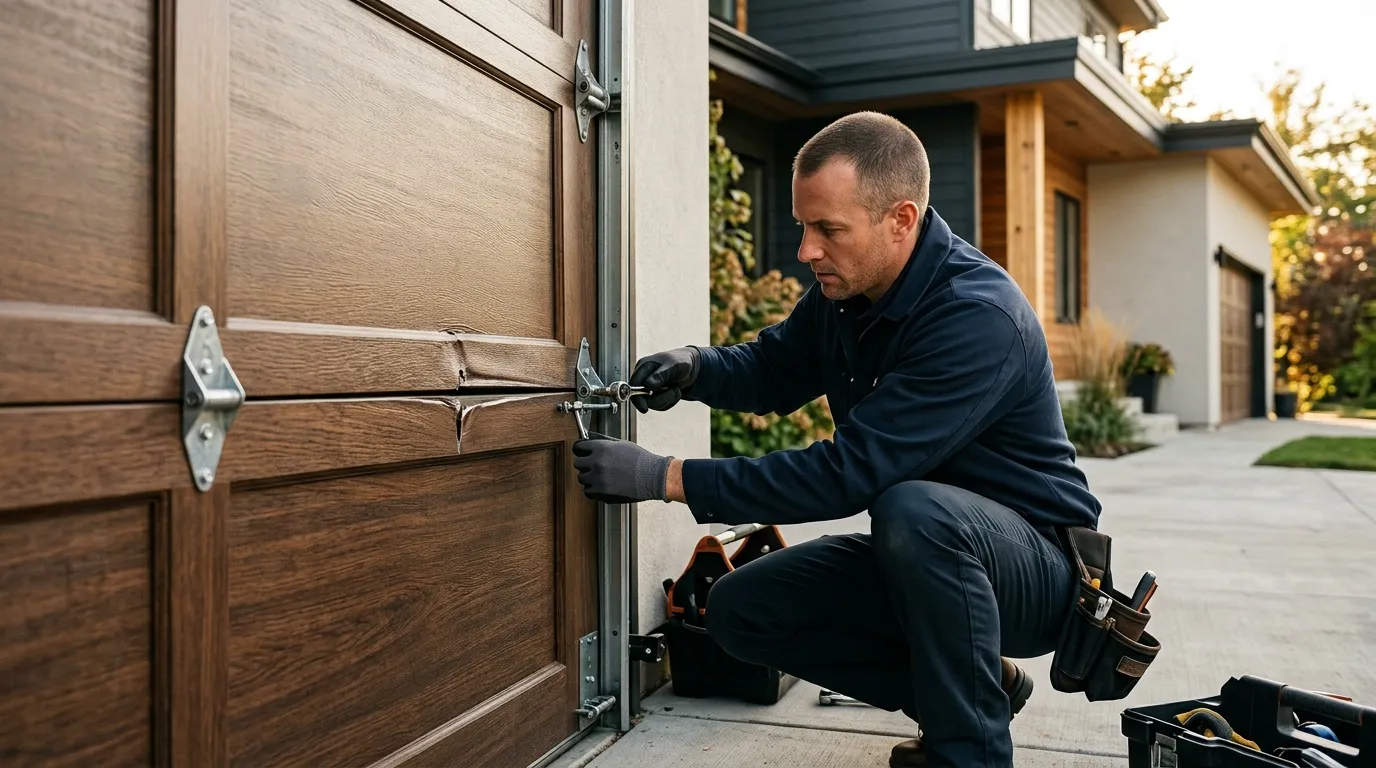
We pull the door panel by panel, working the rollers out of the track without dropping the section, and swap in sealed rollers where the original open-bearing ones have gone dry - sealed bearings hold grease longer through winters like the ones this area gets.
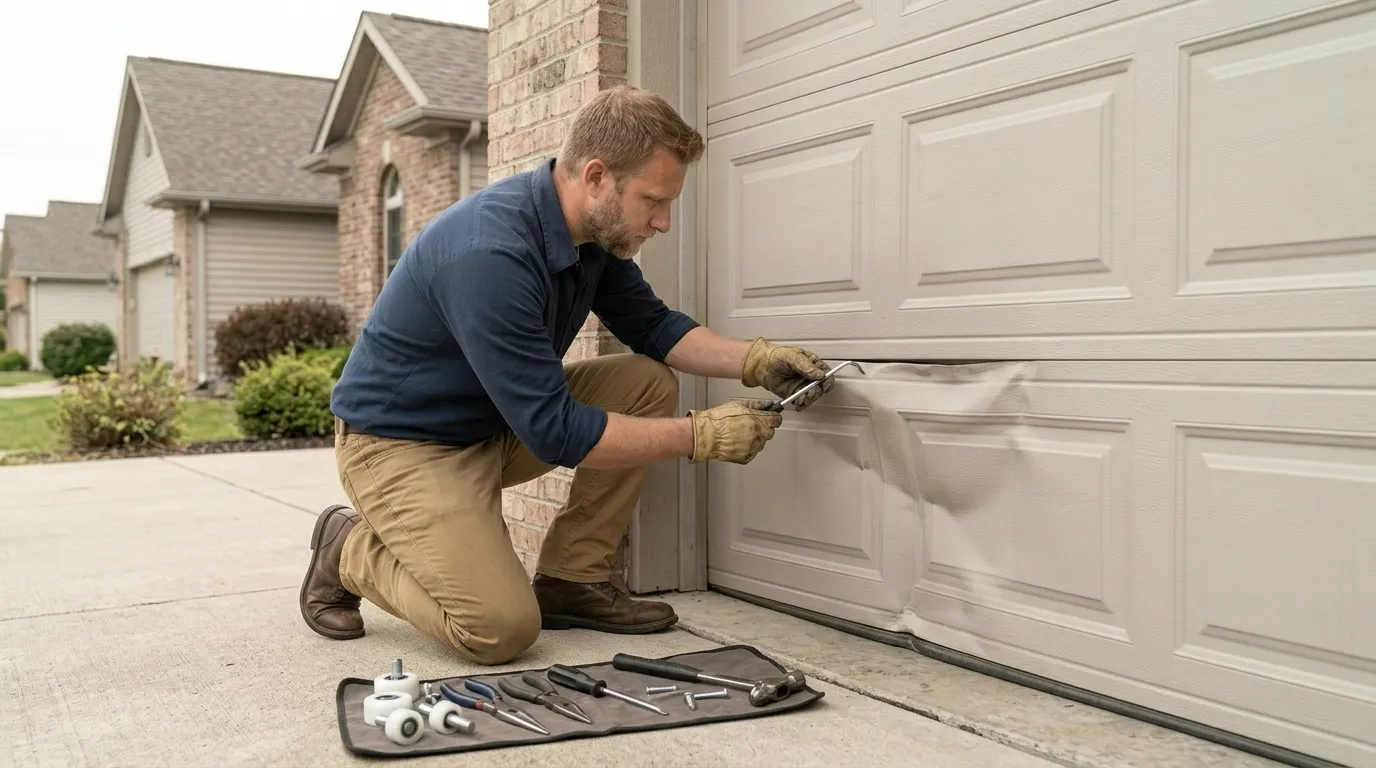
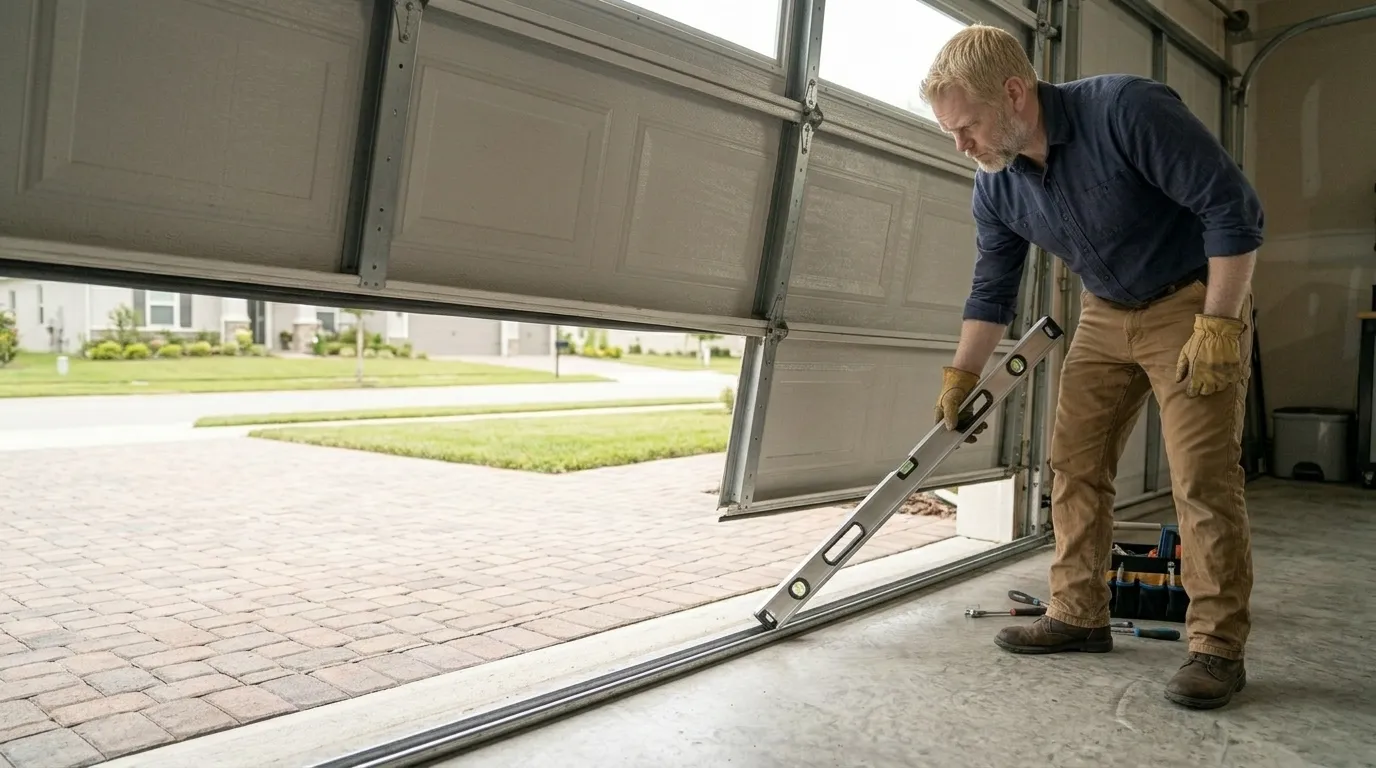
If the track itself has worn oval where a bad roller has been dragging, we true it up or replace the section rather than putting a new roller into a track that will just wear it again.
Cables and hinges get checked at the same time, since a roller that's been sticking for months usually stresses whatever's next to it. Most jobs on doors from this build era go quick because the hardware is consistent enough that we know what we're pulling before the door's off the track.
Watch-outs
The trouble comes when a homeowner or a previous handyman has replaced rollers piecemeal over the years without matching stem length or bearing type to the original track - we've opened up doors with three different roller styles in one channel. On a 1983-era door that's still original, that's less common, but it happens on the doors that have had one or two prior repairs. When the track itself is bent, not just worn, roller replacement alone won't quiet the door down, and pretending it will just means a callback. We'll tell you straight if what you're hearing is a track problem wearing out rollers, not the other way around, before we sell you parts that won't fix it.
DIY or pro
Swapping a single roller on a door that's otherwise sound is within reach for someone comfortable with hand tools - unplug the opener, support the door, and the bottom rollers come out without touching spring tension. Anything above the second panel on a door under tension, or any roller near the bottom fixture on a door with the cables still loaded, isn't a place to learn on the job; that's where fingers get caught and doors come off track. Given how uniform the hardware is across houses built around here, matching stem length and bearing type is usually straightforward once you know the era - but if the track's bent or the door's binding for reasons beyond the roller, that's a call, not a weekend project.

Questions
Most homes here were built around 1983 with steel rollers using open, ungreased-for-life bearings. In this area's cold, severe winters, the grease inside thickens and the roller starts to bind rather than turn smoothly, which wears a flat spot and eventually causes grinding or a jammed door.
No. We work out of Mansfield and drive out to Ontario, about 4 miles away, for every job. There's no local yard here, so we bring the roller stock matched to your door's age when we schedule the visit.
Newer, generally. Ontario's housing clusters around 1983, while much of the surrounding area is older. That means Ontario sees less of the flat-track, pre-1960 hardware and more steel-roller, steel-door setups from the 1980s.
Yes, if the rest of the rollers are still turning freely and the track isn't worn. We'll check the others while we're there - on a door this age, if one bearing has seized from the cold, the rest are usually close behind, so replacing the set can save a second visit.
Explore more
Ready when you are
Mansfield Garage Door Pros repairs and installs garage doors, springs and openers in Mansfield, OH and the surrounding area.