
Mid-Weight Sectional Panel Stock
So the parts we stock for Ontario calls lean toward mid-weight sectional panels, standard torsion springs sized for insulated doors, and opener drive parts for chain and belt units from the late 70s through the 90s.
Ontario, Mansfield
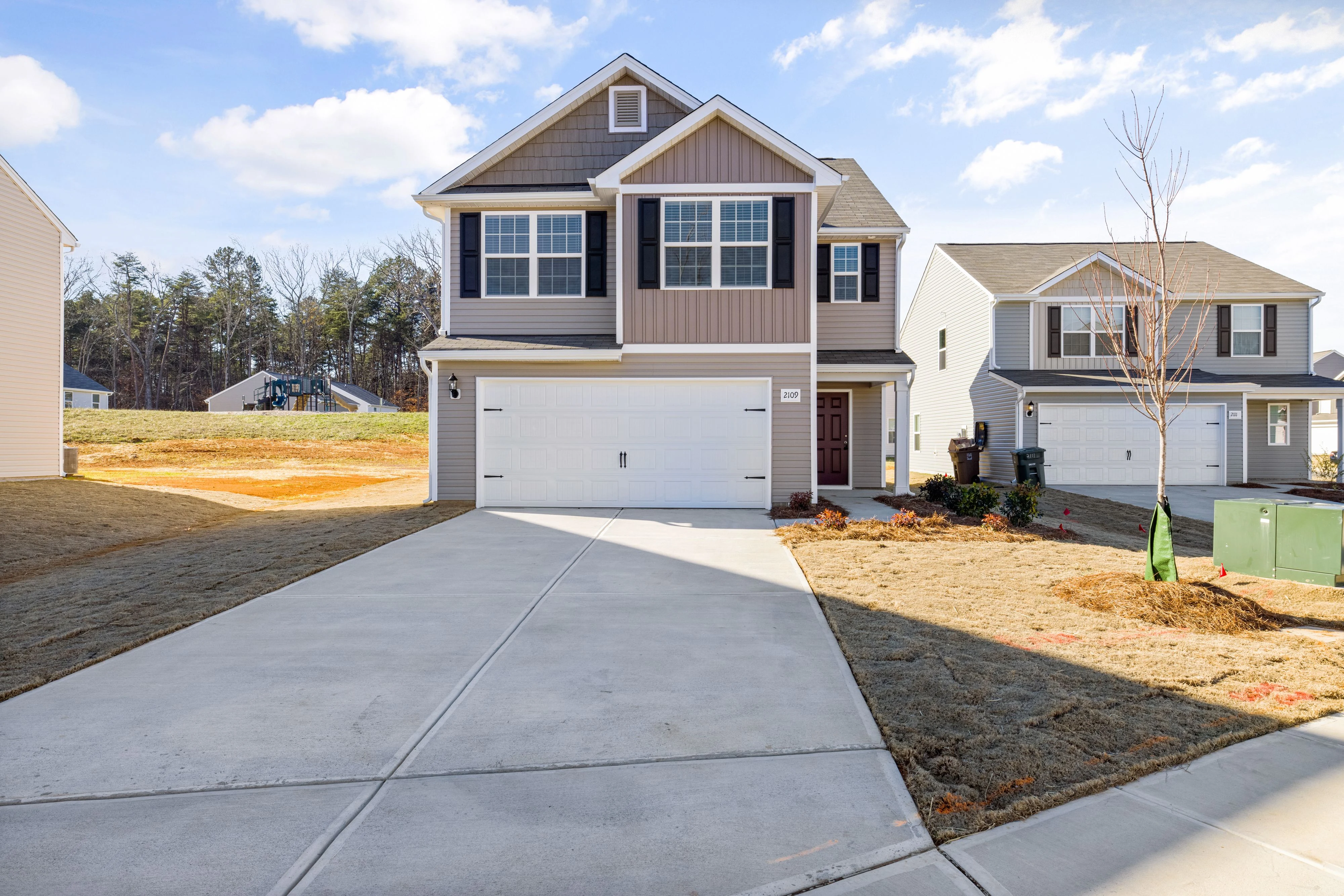
Ontario, OH homes run newer than most of the Mansfield area - built mostly by 1983. That changes what breaks first and what a repair is worth. Here's the local read.
Booking
We run this job out of Mansfield, four miles up the road, so there's no separate branch or crew based in Ontario itself - just a short drive and a truck stocked for the kind of doors this town actually has. When you call, tell us the age of the house if you know it. Ontario's housing stock runs newer than most of the towns we cover, with construction stretching close to 1983, so a lot of doors here are still original steel sectional units from the late 70s and early 80s rather than the older one-piece slab doors you find on the pre-1960 blocks elsewhere in the area. That one detail changes which springs and rollers we load before we leave the shop. We book by phone, and we'll ask a few questions about the door - torsion or extension springs, single or double, how old the opener is - so the parts on the truck match the job before we knock on the door.
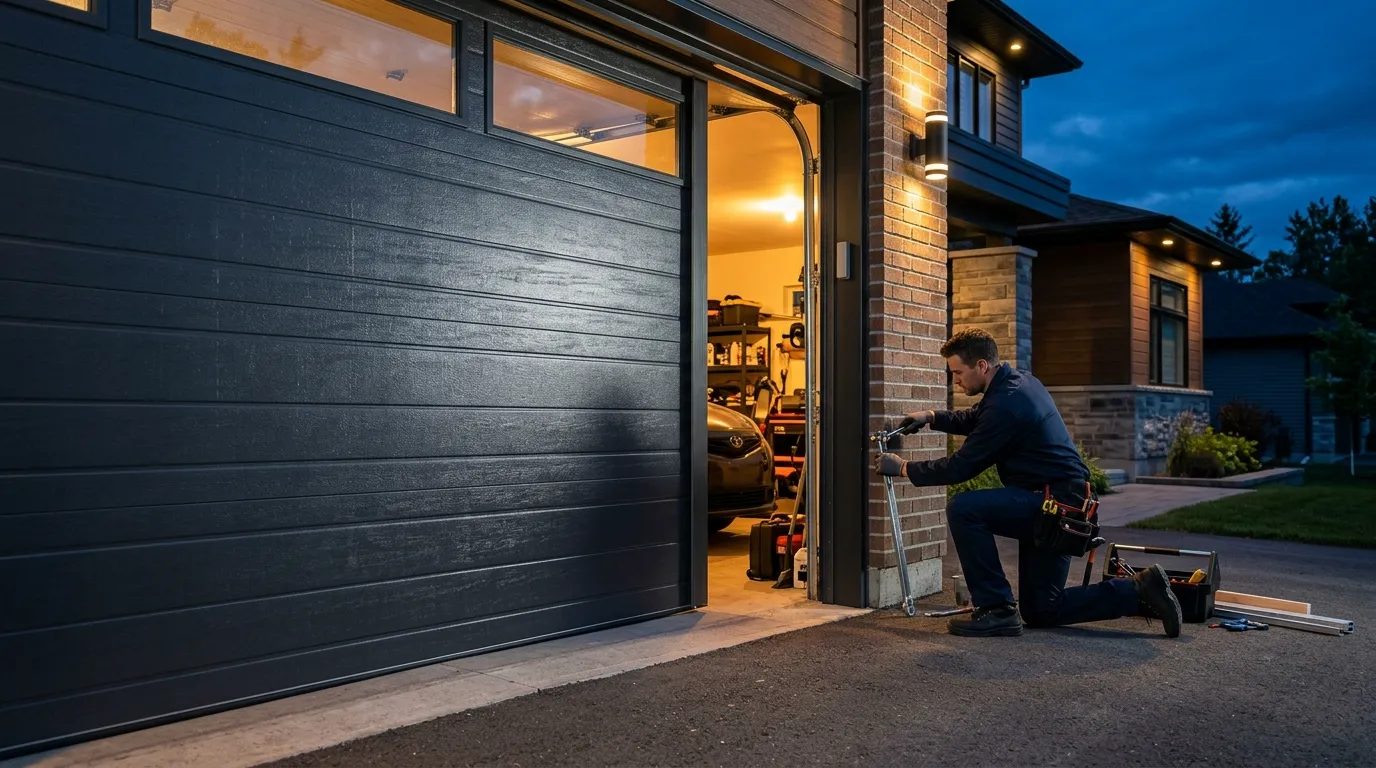
On the truck
Median household income here runs $65,905, noticeably higher than the $58,607 median across the wider service area. That number matters more than it sounds like it should: houses at that income level tend to have paid for a heavier steel door and a real opener when they were built, not the cheapest unit on the lot.
So the parts we stock for Ontario calls lean toward mid-weight sectional panels, standard torsion springs sized for insulated doors, and opener drive parts for chain and belt units from the late 70s through the 90s.
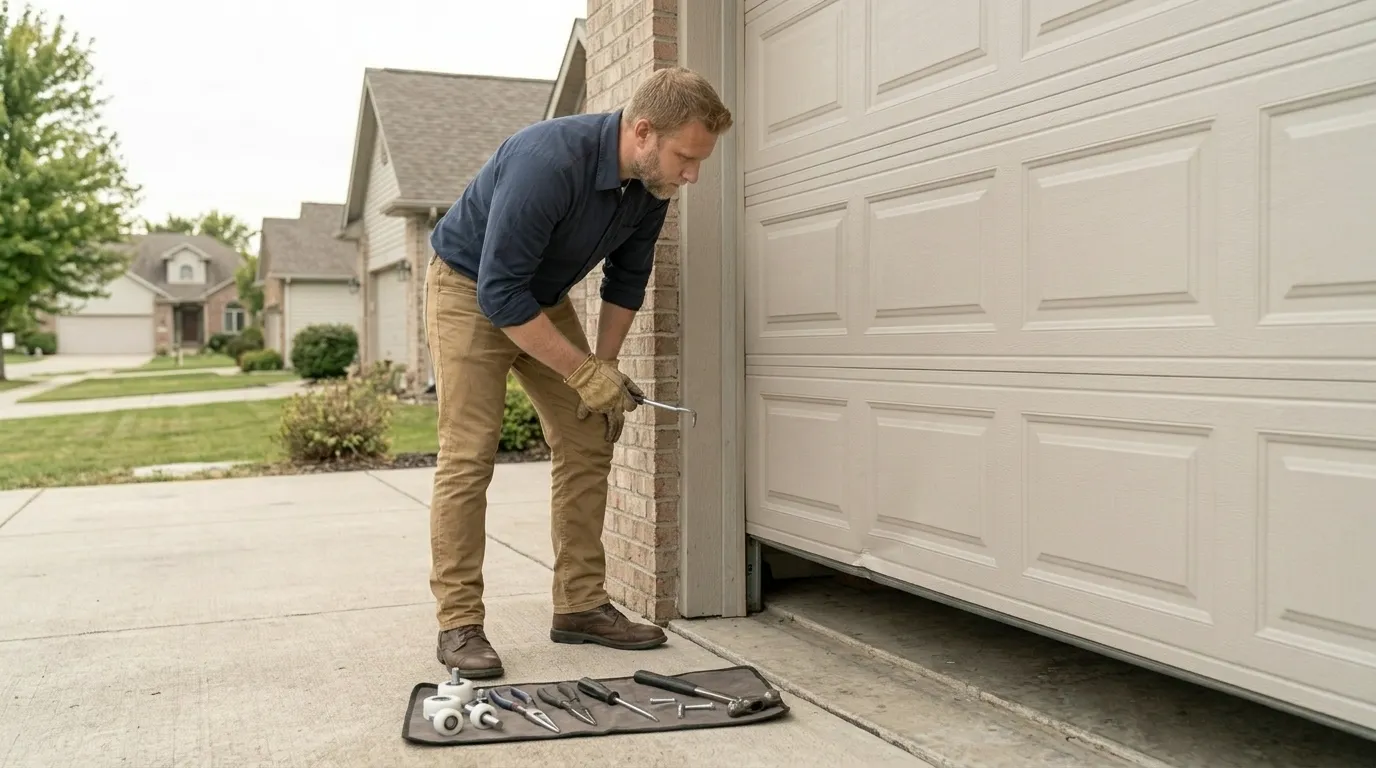
We carry rollers and cables sized for both torsion and extension setups, since the housing stretches close enough to 1983 that you'll find both hanging in garages here depending on which decade the block went up.
Local causes
The area's housing runs from 1938 up through 1983, and Ontario sits at the newer end of that range - most of the town's houses were built well after the pre-1960 stock that dominates 16 of the named areas we cover. That means fewer original slab doors and more sectional steel doors on torsion hardware, which fail differently. Instead of a warped single panel, you get a torsion spring that's simply worn out after four decades of daily cycles, or a center bearing that's seized from age. Ohio winters are the other constant - this is a cold-climate service area, and the freeze-thaw cycle works on steel doors the same way it works on the older wood ones: seals crack, tracks bind with ice, and springs under tension lose temper faster in the cold. A door built in 1983 is now over forty years old regardless of what it's made of, and forty years is close to the end of the road for most torsion springs.
Our process
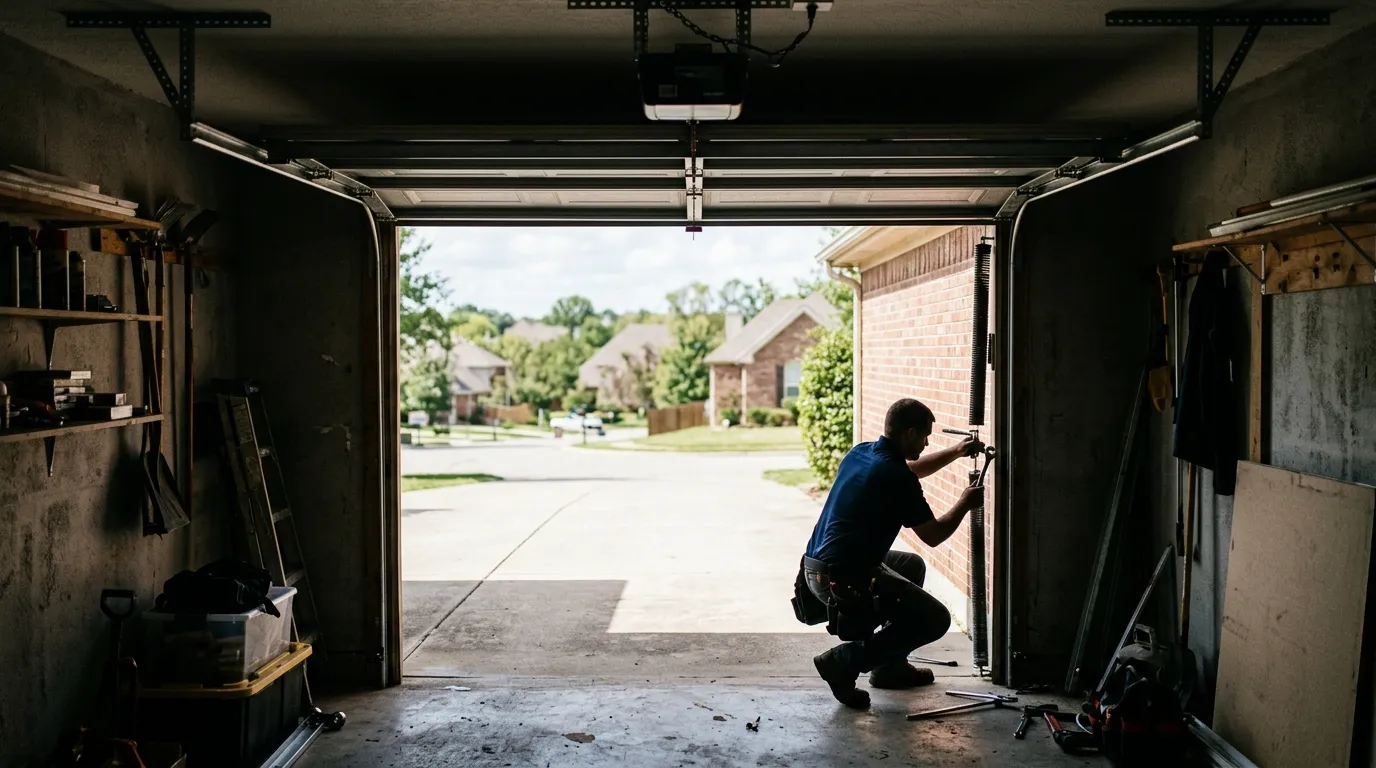
Most calls in Ontario are torsion spring replacement on a double door, worn rollers, or an opener that's finally quit after outliving a couple of remotes.
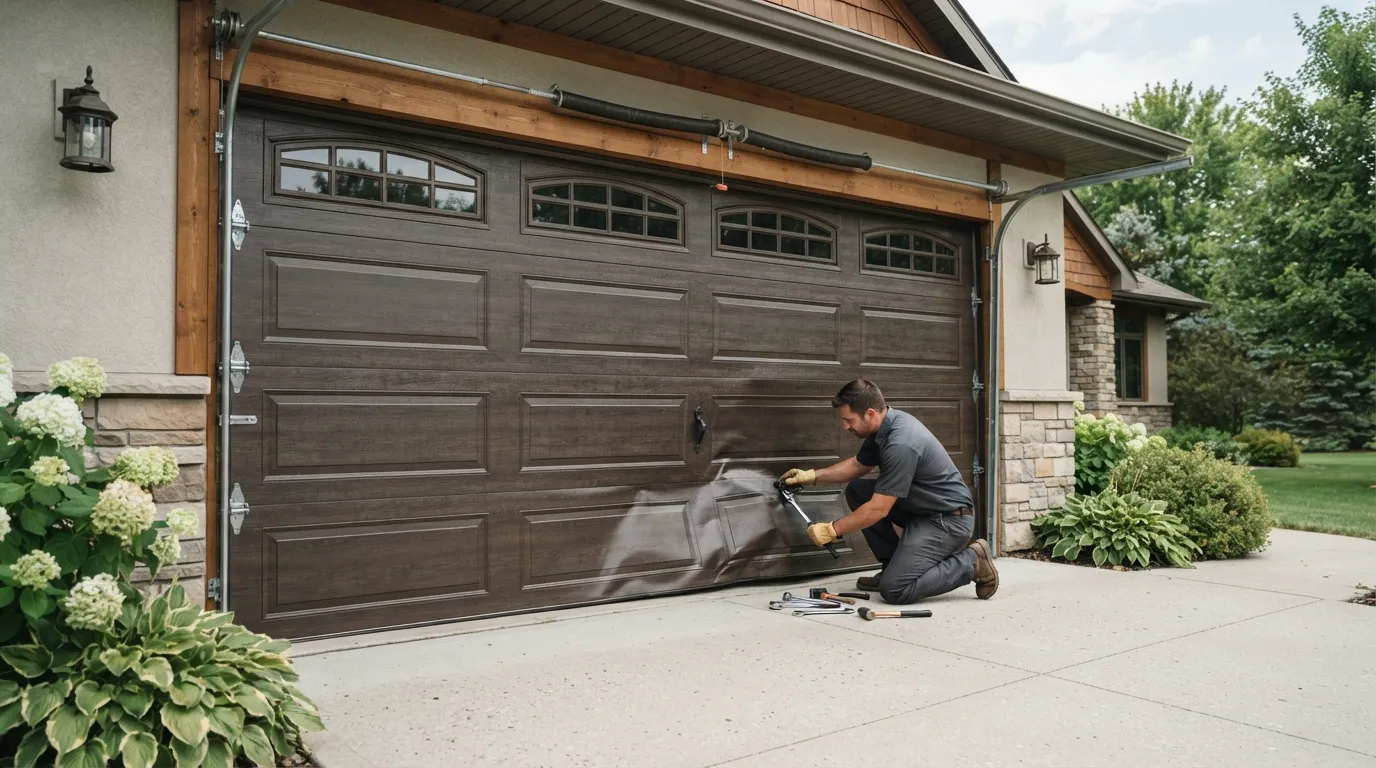
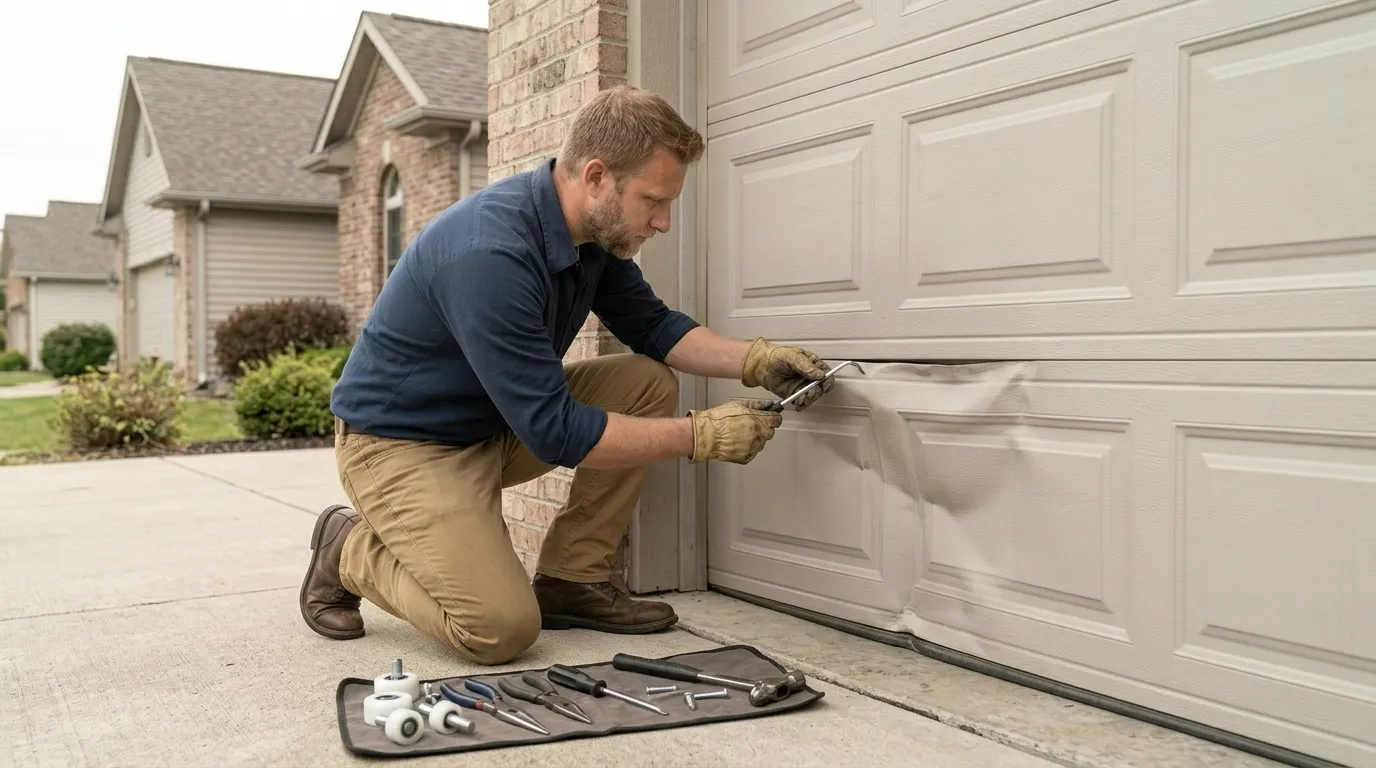
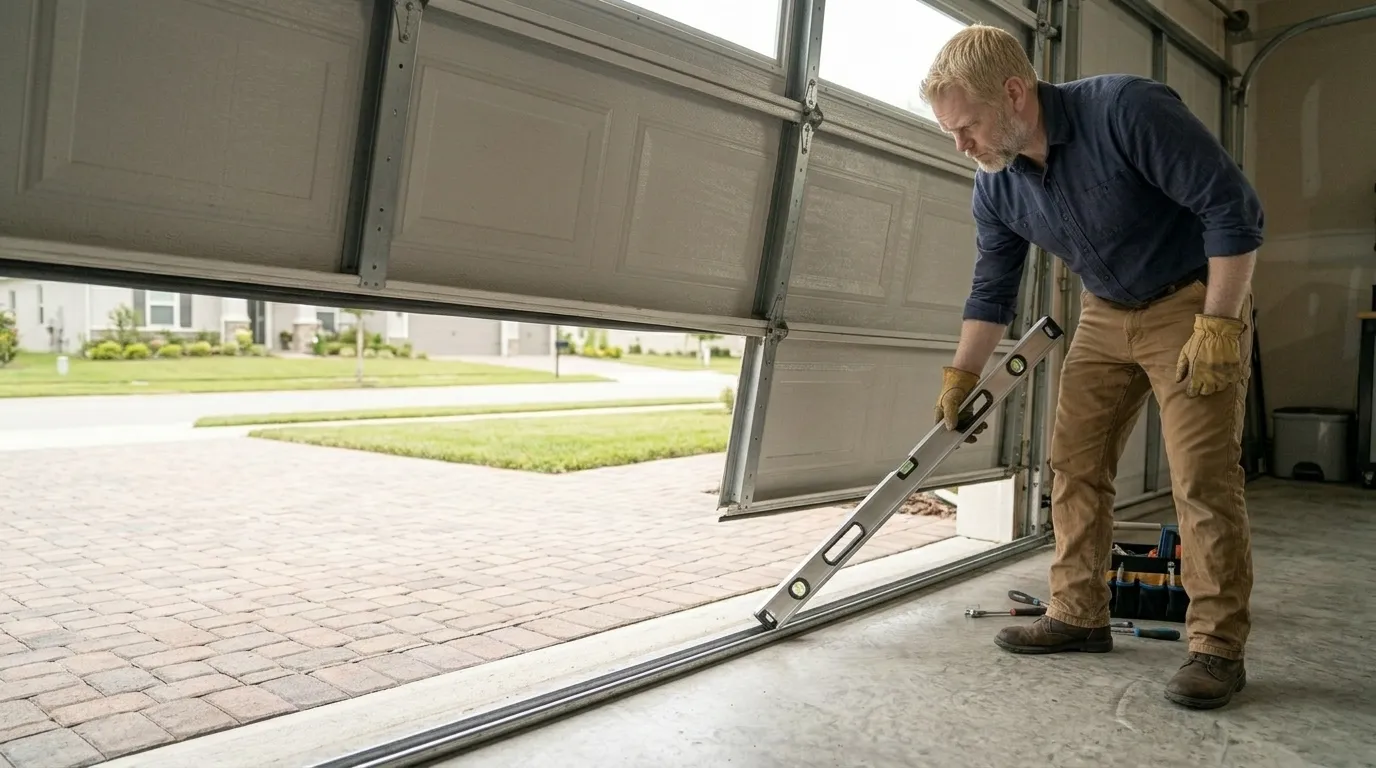
We pull the door panel by panel if a section is bent rather than replace the whole door, and we check the drums and cables while the spring's off since that's the cheapest time to catch a fraying cable.
Openers from this era usually take a straight swap - chain drive to chain drive or an upgrade to belt if the customer wants quieter. We test the balance point on every torsion job before we leave, because a spring sized wrong for the door's weight is the single most common comeback call in this kind of housing stock.
Watch-outs
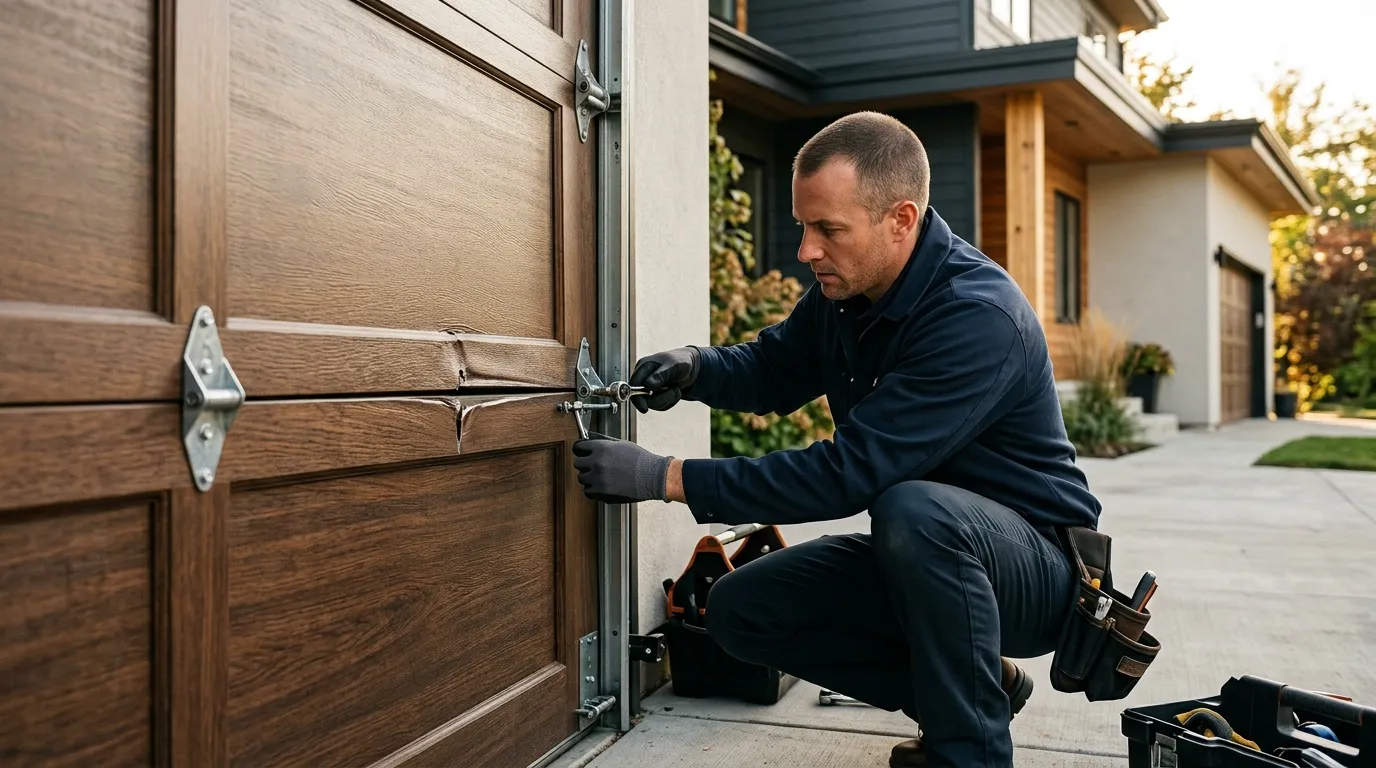
The trouble spot in Ontario is the double door on a single torsion spring that was undersized when the house was built - common in the early 80s runs when builders cut a corner on hardware. Replace one spring on a mismatched pair and you'll blow the second one within a year, so we replace both even if only one has snapped, and we say so up front. The other sideways moment: a homeowner wants the opener fixed but the real problem is a bent track from a car backing into it. No opener repair fixes a bent track. We'll tell you that instead of swapping parts that won't solve it.
DIY or pro
Changing an opener's light bulb or lubing rollers, sure. A torsion spring is not a DIY repair - it's under enough tension to break a hand or worse, and at $65,905 median income, most Ontario households are better off paying for the twenty minutes of correct work than risking the hospital bill. Where replacement beats repair: if the door itself is original steel from the early 80s with rust through the bottom panel, patching springs and rollers on a door that's structurally done just delays the real cost. We'll tell you straight if that's where you're at instead of running up a repair bill on a door that needs replacing anyway.
Questions
About four miles. We don't keep a separate branch in Ontario - the truck comes from Mansfield, loaded for the job based on what you tell us about the door and its age when you call.
Often, yes. Ontario's housing runs newer than most of the towns we cover, closer to the 1983 end of the area's 1938-1983 build range, so you're more likely to have a sectional steel door on torsion springs than the older one-piece slab doors common on pre-1960 blocks elsewhere.
Depends on the door. A worn spring or roller on a sound steel panel is worth fixing. Rust through the bottom of an original early-80s panel usually isn't - you'll be back paying for another repair within a year or two.
Yes. Ontario's housing spans enough decades that both torsion and extension setups turn up depending on when the block was built, so the truck carries parts for both rather than assuming one.
Explore more
Ready when you are
Mansfield Garage Door Pros repairs and installs garage doors, springs and openers in Mansfield, OH and the surrounding area.