
Guide
Garage Doors on Houses Built Before Insulation Rules
Most Mansfield-area houses date to 1938-1983, before insulation rules existed, and our cold winters find every gap in an old garage door. Here's what that means for your door and your wallet.
Local detail
What the Weather Here Does to It
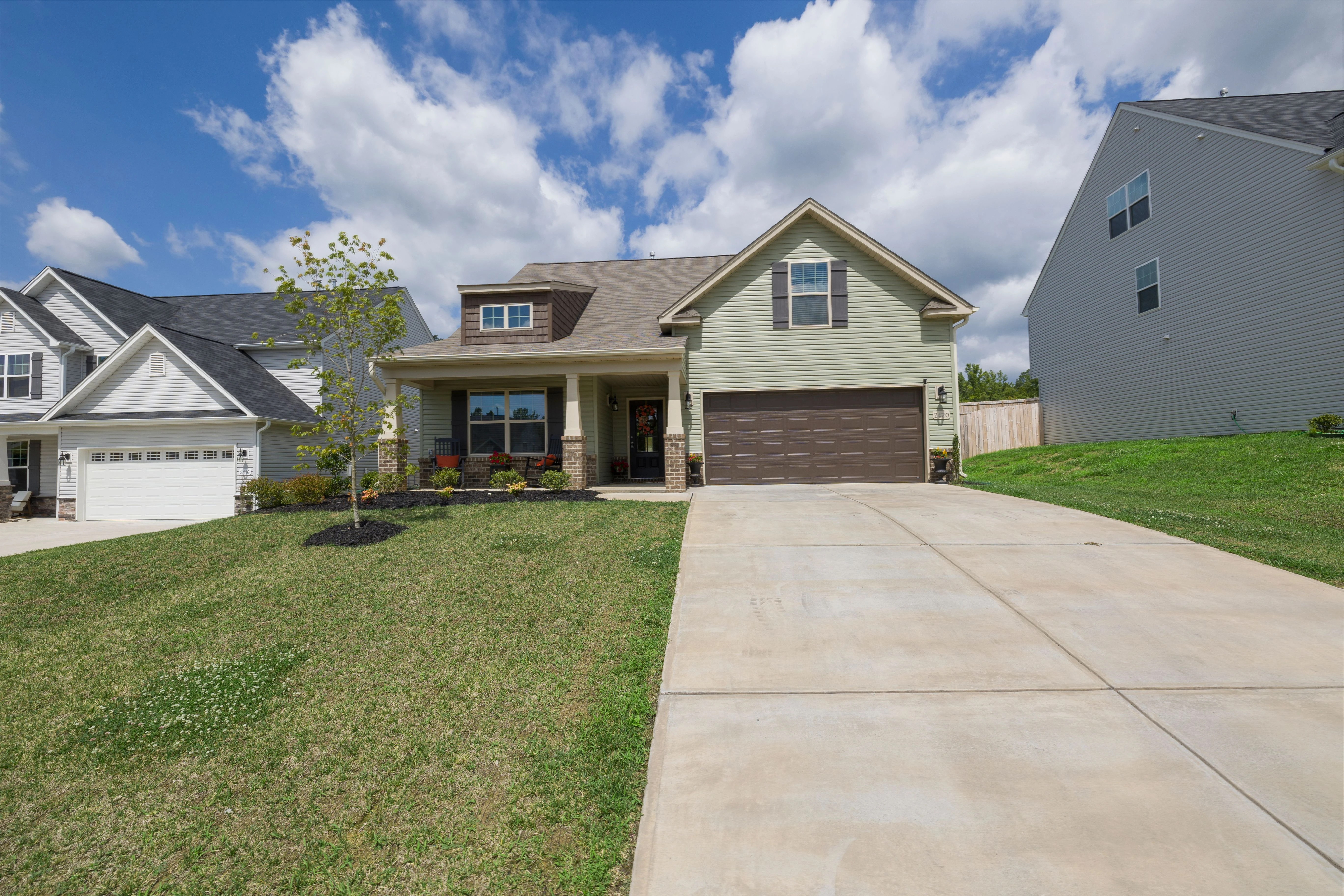
This area sits in a severe cold band, and most of the housing stock here went up between 1938 and 1983, with the median build year at 1957. That matters because a door built or installed on a house from that era almost never has any real insulation behind the steel skin. It was put in before insulation rules existed for garage doors at all.
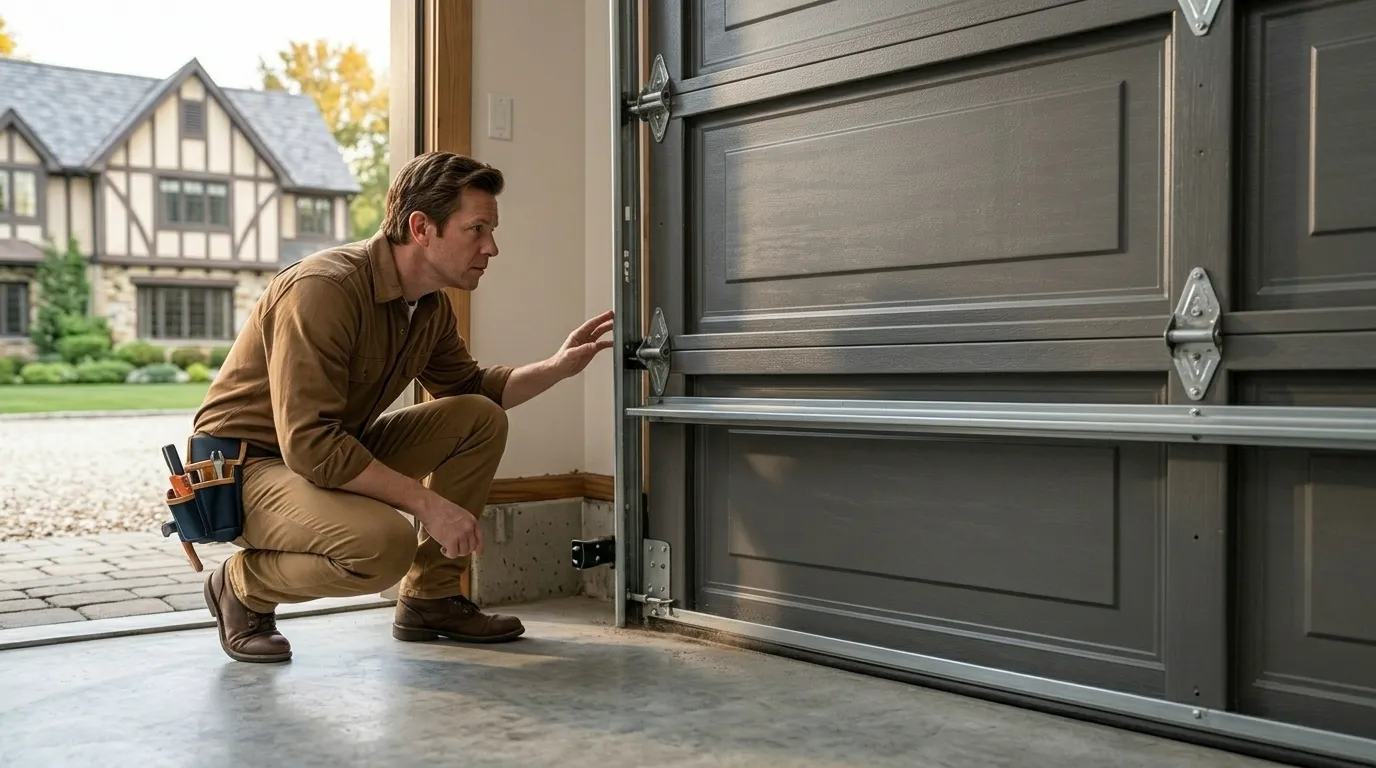
What that means in practice: the metal contracts hard in a cold snap and the panels pull slightly away from the weatherstripping at the bottom and sides. On a lot of these older openings the track was set for a door that's since been swapped, so the gap was never sealed right to begin with. Springs lose tension faster in cold steel too - the coil itself gets stiffer and the torque calculation the installer used back when it was warm out no longer holds.
Across the sixteen communities this service area covers, from Ontario and Lexington in close to Fredericktown and Loudonville further out, the same housing era repeats. It's not one neighborhood's problem. It's the age of the stock, full stop.

The area
The Cost of This Job
I don't have a fixed price list to give you here, and I'd rather say that than make one up. What drives the cost on a job like this is usually the era of the door, not the brand. A single-layer steel door from a pre-1960 house with no insulation behind it is a different repair than a double-layer door installed in the last decade - different hardware, sometimes a different track width, sometimes a spring size nobody stocks on the truck.
Median household income in this service area runs around $58,607, and across the roughly 27,951 households and 13,944 owner-occupied houses we're talking about, most people are weighing a repair against a replacement on an older door that was never built to hold heat in the first place. That's a real decision, not a small one, and it deserves an actual look at the door rather than a number typed sight unseen.
The honest limitation: if your opener or spring is a match for the original 1950s-era hardware, parts can take longer to source than a modern door would. That's worth knowing before you commit to a repair timeline.
What we find
When It Stops Being a DIY Job
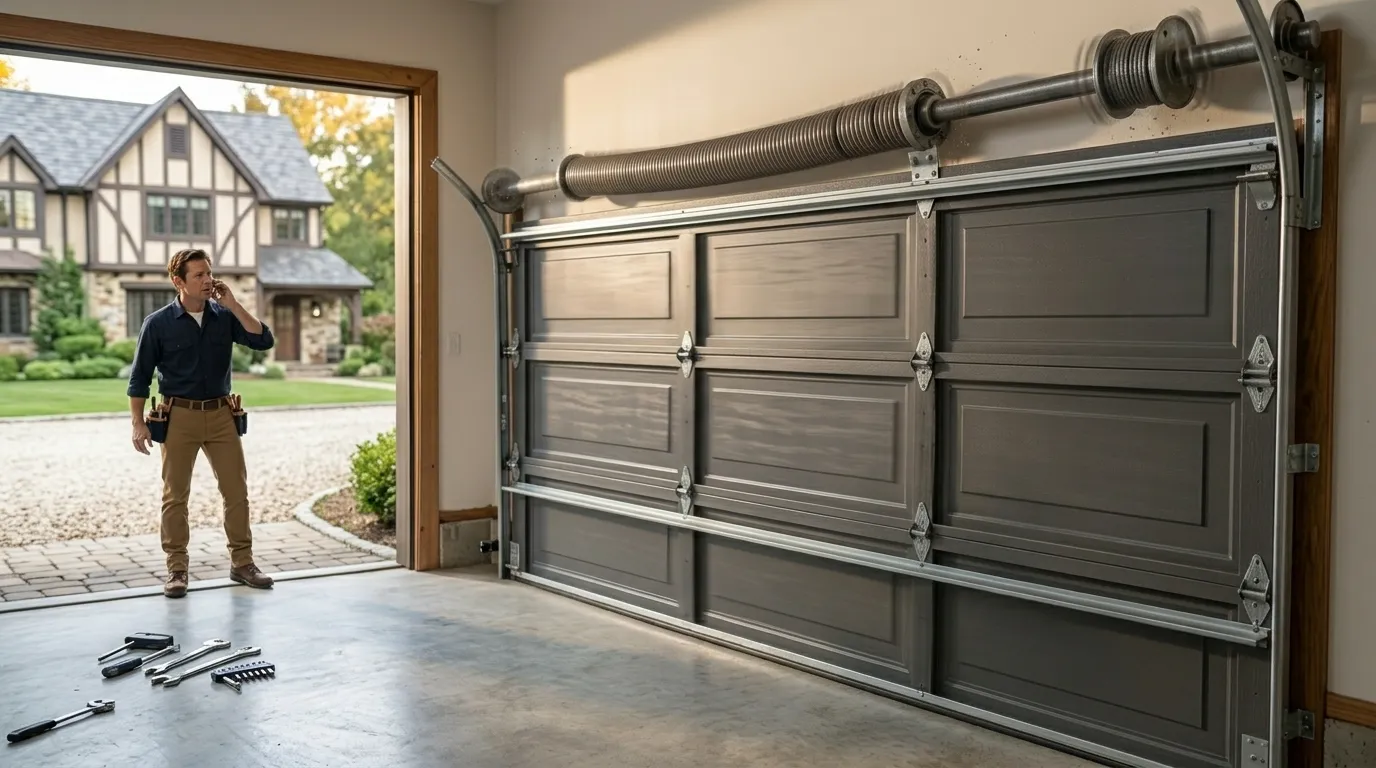
A torsion spring that's lost tension in cold steel is not a weekend project, and on houses from this era the springs are often original sizing that doesn't match anything on a hardware store shelf. If the door is fighting you - heavy on one side, slow to close, or the opener straining and reversing - that's the spring, not the opener, and a spring under load is the one part of this job where a mistake breaks bones, not just doors.
The other line I'd draw is the track and jamb work. On a lot of the pre-1960 stock in this area, the framing around the door opening was never squared for insulation retrofits, so once you start pulling weatherstripping or adjusting track to tighten up a cold draft, you're often finding rot or shift in wood that's been there since 1957 or earlier. That's a call-a-pro job, not a caulk-gun job.
If your door is original steel from that build era and it's just noisy or slow, that's often still a DIY lube-and-adjust fix. The line is springs, track alignment, and anything structural around the opening.
How we work
What Is Going On
Here's the mechanism, plainly: insulation standards for residential garage doors didn't exist when most of this area's houses were built. A house from 1957 got a door that matched the technology of 1957 - single steel skin, no foam core, weatherstripping as an afterthought. That door either got replaced once already, which means you've got mixed-era hardware on an original frame, or it's still the original, which means decades of cold cycling on a panel that was never built to resist it.
Severe cold makes that gap obvious every winter. Steel contracts, gaps open at the bottom seal, and the door works harder to seat right each time it closes. None of that is a defect in the door - it's a door doing exactly what a door built before insulation rules does.
Across the service area's older housing - Ontario, Lexington, Lucas, and the string of towns running out to Ashland, Galion, and Fredericktown - that's the same story repeating on thousands of openings. The fix isn't universal. Sometimes it's a new bottom seal and astragal. Sometimes the door itself is past the point where sealing it helps.
Questions
Common questions
Why does my garage door get so much harder to open in January?
Cold steel contracts and torsion springs stiffen, so a door that closes fine in summer can bind or feel heavy once temperatures drop hard. On older doors from this area's pre-1960 housing stock, the effect is worse because the hardware was sized for a door with no insulation and less mass tolerance to begin with.
Is my garage door too old to be worth insulating?
Depends on the panel condition, not just the age. A sound steel door from the 1950s-1980s build era can often take a retrofit insulation kit. If the panels are dented, rusted at the bottom, or the track's been reset more than once, replacement usually makes more sense than adding insulation to a door that's already failing.
Do you work outside Mansfield itself?
The service area covers the surrounding communities as well, including places like Ontario, Lexington, and Lucas nearby, out to Ashland, Galion, and Fredericktown further off. Housing age and winter conditions are similar across that whole stretch.
Can I just add weatherstripping instead of a new door?
Sometimes, yes. If the panel itself is straight and the track is square, new bottom seal and side weatherstripping closes up a lot of the draft an old uninsulated door lets in. If the frame has shifted with the house over the decades, stripping alone won't seal it and you're better off addressing the track first.
Ready when you are
Need a garage door sorted in Mansfield?
Mansfield Garage Door Pros repairs and installs garage doors, springs and openers in Mansfield, OH and the surrounding area.